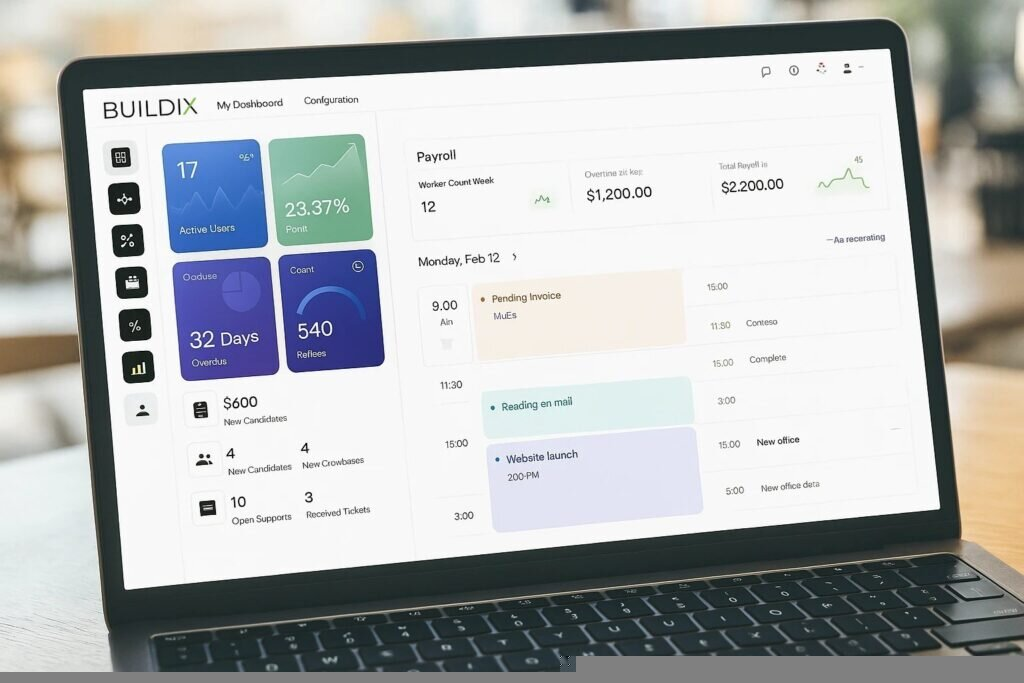
Welcome to a world where managing building materials and supplies has never been easier! With Building Material ERP software, efficiency is maximized, and productivity soars to new heights. This innovative technology streamlines processes, organizes inventory, and enhances communication between teams. Say goodbye to manual data entry and hello to a seamless, automated system that saves both time and resources. Let’s dive into how this software can revolutionize your construction business!
Overview of Building Material ERP Software
Building material ERP software is a specialized tool designed to meet the unique needs of companies in the construction industry. This type of software integrates various functions such as project management, inventory management, financial management, and customer relationship management into one comprehensive system. By centralizing all these functions, building material ERP software helps companies streamline their operations, improve efficiency, and reduce costs.
One of the key features of building material ERP software is its ability to track inventory in real-time. This is crucial for companies in the construction industry, as they often deal with a wide range of materials and need to know exactly what they have on hand at any given time. With ERP software, companies can easily monitor their inventory levels, track materials as they are used in projects, and receive alerts when stock levels are running low. This helps prevent delays in project completion and ensures that materials are always available when needed.
In addition to inventory management, building material ERP software also offers robust project management capabilities. Companies can use the software to create schedules, allocate resources, track progress, and monitor costs for all their projects. This helps companies stay on track and within budget, while also providing visibility into project statuses for all stakeholders.
Financial management is another important aspect of building material ERP software. Companies can use the software to track expenses, generate invoices, and manage cash flow. By having all financial data in one place, companies can make more informed decisions about pricing, budgeting, and resource allocation. This ultimately leads to better financial performance and profitability.
Customer relationship management (CRM) is also a key feature of building material ERP software. Companies can use the software to track customer interactions, manage leads, and analyze customer data to improve sales and marketing strategies. By having a centralized CRM system, companies can provide better customer service, build stronger relationships with clients, and ultimately drive higher levels of customer satisfaction.
Overall, building material ERP software offers a comprehensive solution for companies in the construction industry to manage their operations more efficiently and effectively. By centralizing functions such as inventory management, project management, financial management, and CRM, companies can streamline their processes, reduce costs, and improve productivity. Investing in building material ERP software can help companies stay competitive in the fast-paced and dynamic construction industry.
Key Features and Functionality
Building Material ERP software is specifically designed to meet the unique needs of the construction industry. It offers a range of key features and functionalities that can help streamline processes, improve efficiency, and enhance overall productivity.
One of the key features of Building Material ERP software is inventory management. This functionality allows construction companies to track and manage their inventory levels in real-time, ensuring that they always have the right materials on hand when they need them. With inventory management, companies can also automate the process of reordering materials, ensuring that they never run out of essential supplies.
Another important feature of Building Material ERP software is project management. This functionality allows construction companies to track progress on projects, set deadlines, assign tasks to team members, and monitor overall project performance. With project management, companies can ensure that projects are completed on time and within budget, leading to increased customer satisfaction and profitability.
Building Material ERP software also offers financial management functionality, allowing construction companies to track expenses, create budgets, manage invoices, and generate financial reports. With financial management, companies can gain better insight into their financial performance and make more informed decisions about their business operations.
One of the key benefits of Building Material ERP software is its ability to integrate with other systems and applications. This integration allows construction companies to streamline their processes, reduce manual data entry, and improve overall efficiency. By integrating with other systems, companies can also access a range of additional features and functionalities that can further enhance their operations.
In addition to these key features, Building Material ERP software also offers a range of additional functionalities, such as customer relationship management, HR management, and document management. These functionalities can help construction companies streamline their operations, improve communication, and enhance overall collaboration among team members.
Overall, Building Material ERP software offers a range of key features and functionalities that can help construction companies improve their operations, streamline processes, and enhance overall productivity. By investing in Building Material ERP software, construction companies can gain a competitive edge in the industry and achieve long-term success.
Benefits of Implementing ERP Software for Building Materials
Implementing ERP software for building materials can provide a wide range of benefits for companies in the construction industry. From streamlining processes to improving inventory management, ERP software can help businesses operate more efficiently and effectively. Here are some of the key benefits of implementing ERP software for building materials:
1. Improved Efficiency: One of the primary benefits of implementing ERP software for building materials is the improved efficiency it can bring to business operations. By integrating all aspects of the business into a single system, ERP software can eliminate the need for manual data entry and duplicate data entry, which can save time and reduce the risk of errors. This can help employees work more efficiently and focus on more important tasks, ultimately leading to increased productivity and profitability.
2. Streamlined Processes: ERP software can help streamline processes within a company by providing a centralized platform for communication, collaboration, and information sharing. With all data stored in one system, employees can easily access the information they need to make informed decisions and complete tasks more efficiently. This can help reduce delays, improve communication between departments, and ultimately lead to faster project completion times.
3. Enhanced Inventory Management: Another key benefit of implementing ERP software for building materials is enhanced inventory management. With ERP software, companies can track inventory levels in real-time, monitor stock levels, and automate the reordering process. This can help prevent stockouts, reduce excess inventory, and minimize the risk of lost sales due to stock shortages. By having a clear view of inventory levels, businesses can make more informed decisions about purchasing, production, and distribution, ultimately leading to cost savings and improved customer satisfaction.
4. Improved Decision Making: ERP software can provide companies with access to real-time data and analytics, which can help improve decision-making processes. By having access to accurate and up-to-date information, companies can make more informed decisions about pricing, production scheduling, inventory management, and more. This can help companies stay competitive in a fast-paced industry by enabling them to quickly adapt to changing market conditions and customer demands.
5. Better Customer Service: By implementing ERP software, companies can improve customer service by providing quicker response times, accurate order tracking, and timely delivery of products. With ERP software, companies can track customer orders from the initial inquiry to final delivery, ensuring that customers receive their products on time and in good condition. This can help improve customer satisfaction, increase repeat business, and enhance the overall reputation of the company.
Overall, implementing ERP software for building materials can provide businesses in the construction industry with a wide range of benefits, including improved efficiency, streamlined processes, enhanced inventory management, improved decision making, and better customer service. By investing in ERP software, companies can stay competitive, reduce costs, and grow their business in a rapidly changing market.
Case Studies: Successful Implementation of ERP in Building Material Industry
Implementing an ERP system in the building material industry can lead to significant improvements in efficiency, productivity, and overall business performance. Here are some case studies of successful ERP implementations in the building material industry:
Case Study 1: ABC Building Supplies
ABC Building Supplies, a leading supplier of construction materials, implemented an ERP system to streamline their operations and improve customer service. The ERP software helped them automate their inventory management, track orders in real-time, and optimize their supply chain. As a result, ABC Building Supplies was able to reduce lead times, increase order accuracy, and improve overall customer satisfaction. The implementation of the ERP system also enabled better collaboration among different departments, leading to improved communication and decision-making.
Case Study 2: XYZ Construction Company
XYZ Construction Company, a large contractor specializing in commercial projects, implemented an ERP system to manage their projects more efficiently. The ERP software allowed them to track project costs, monitor progress in real-time, and allocate resources effectively. With the help of the ERP system, XYZ Construction Company was able to complete projects faster, within budget, and with higher quality standards. The integration of all their business processes in one system also enabled better financial management and improved reporting capabilities. As a result, XYZ Construction Company saw an increase in profitability and greater competitiveness in the market.
Case Study 3: DEF Roofing Supplies
DEF Roofing Supplies, a manufacturer of roofing materials, implemented an ERP system to modernize their operations and improve efficiency. The ERP software helped them automate their production planning, streamline their inventory management, and optimize their distribution channels. By centralizing all their data in one system, DEF Roofing Supplies was able to track their raw materials inventory, monitor production schedules, and manage their shipments more effectively. The implementation of the ERP system also facilitated better compliance with industry regulations and improved quality control measures. Overall, DEF Roofing Supplies experienced reduced costs, increased productivity, and enhanced customer satisfaction as a result of the ERP implementation.
In conclusion, these case studies demonstrate the positive impact that ERP systems can have on businesses in the building material industry. By effectively implementing an ERP system, companies can streamline their operations, improve collaboration among departments, and achieve greater efficiency and productivity. The successful adoption of ERP technology can lead to increased profitability, improved customer satisfaction, and greater competitiveness in the market.
Considerations for Choosing the Right ERP Software for Building Materials
Choosing the right ERP software for building materials is crucial for the success of your business. With so many options available in the market, it can be overwhelming to find the perfect fit for your specific needs. Here are some key considerations to keep in mind when selecting an ERP software for your building materials business:
1. Industry-specific Features: One of the most important factors to consider when choosing an ERP software for building materials is whether it has industry-specific features. Look for software that is designed specifically for the building materials industry, as it will have the necessary tools and functionalities to help you streamline your business operations.
2. Scalability: As your business grows, you will need an ERP software that can grow with you. Make sure to choose a software that is scalable and can easily accommodate the increasing demands of your business. This will ensure that you won’t have to switch to a new system every time your business expands.
3. Integration Capabilities: Your ERP software should be able to seamlessly integrate with other systems that you use in your business, such as accounting software, CRM systems, and inventory management systems. This will help you eliminate duplicate data entry and improve overall efficiency.
4. Customization Options: Every building materials business is unique, with its own set of processes and workflows. Choose an ERP software that offers customization options, so you can tailor the system to meet the specific needs of your business. This will help you optimize your processes and improve productivity.
5. User-Friendly Interface: When selecting an ERP software for your building materials business, it is important to consider the user-friendliness of the interface. Your employees will be using the software on a daily basis, so it is essential that it is easy to navigate and understand. Look for software that has a clean and intuitive interface, with simple navigation and easy access to important functions.
By keeping these considerations in mind, you can choose the right ERP software for your building materials business that will help you streamline your processes, improve efficiency, and drive growth. Make sure to evaluate your options carefully and choose a software that meets your specific needs and budget constraints. With the right ERP software, you can take your building materials business to the next level.