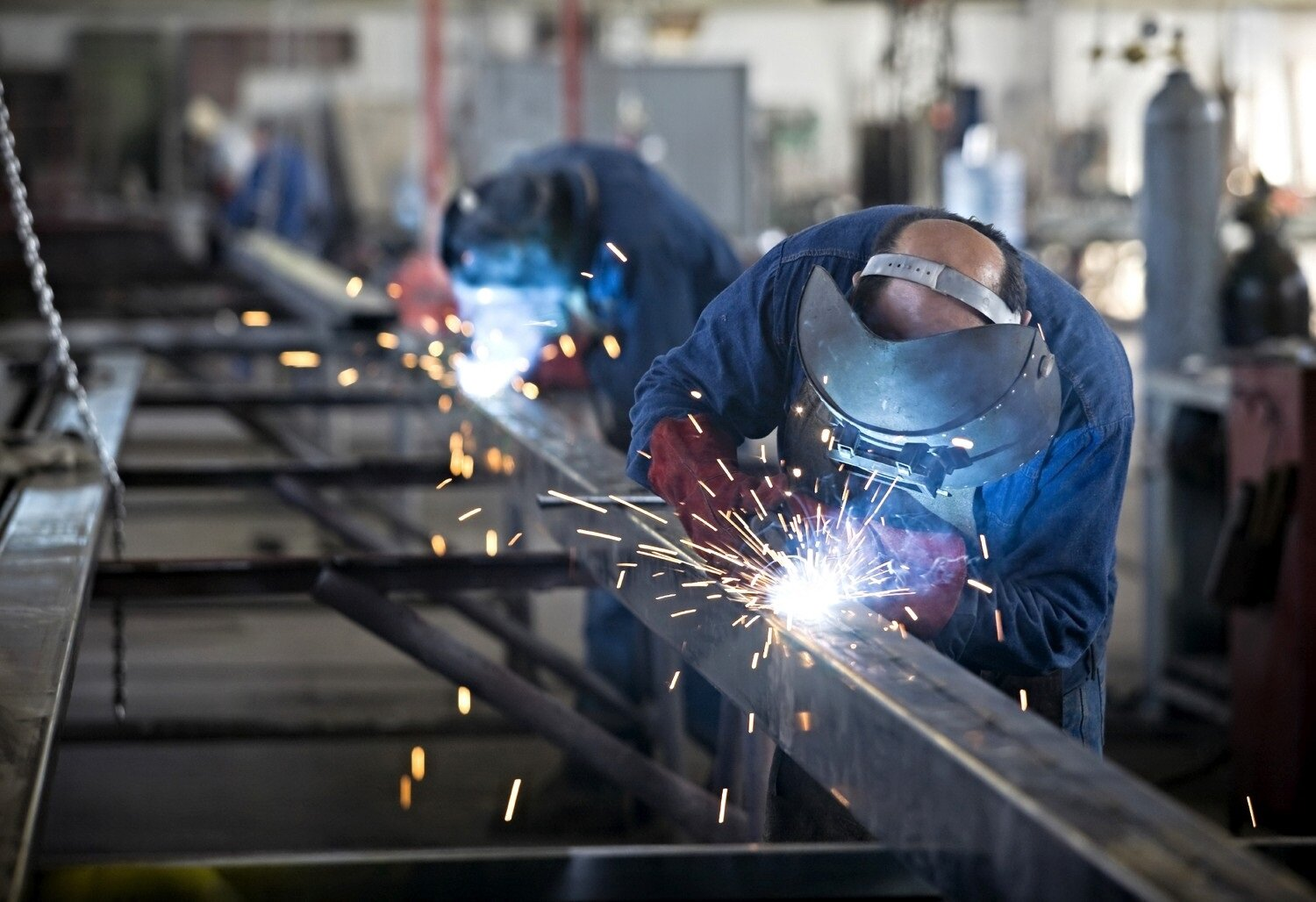
Hey there, metal fabrication industry professionals! Are you looking to streamline your processes and improve efficiency in your operations? Look no further than ERP software. With the right ERP system in place, you can better manage your resources, optimize production schedules, and enhance communication between different departments. Say goodbye to manual data entry and time-consuming paperwork, and say hello to a more streamlined and organized workflow. Let’s explore how ERP software can revolutionize your metal fabrication processes.
Benefits of Implementing ERP in Metal Fabrication
Implementing an Enterprise Resource Planning (ERP) system in the metal fabrication industry can bring a multitude of benefits to the business. ERP software is specifically designed to streamline operations, increase efficiency, and improve overall productivity. In the metal fabrication industry, where precision and timeliness are crucial, utilizing ERP can make a significant impact on the success of the business.
One of the key benefits of implementing ERP in metal fabrication is the ability to centralize data and streamline processes. With ERP software, all aspects of the business, from inventory management to production scheduling, can be integrated into one comprehensive system. This allows for real-time access to information, improved communication between departments, and a more efficient workflow. By centralizing data, businesses can eliminate duplication of efforts and reduce the risk of errors, ultimately saving time and resources.
Another benefit of ERP in metal fabrication is the ability to track and monitor projects more effectively. With ERP software, businesses can easily track the progress of each project, allocate resources efficiently, and identify any bottlenecks in the production process. This level of visibility and transparency allows for better decision-making and more accurate forecasting, leading to improved project outcomes and customer satisfaction.
Furthermore, ERP software can enhance inventory management in the metal fabrication industry. By providing real-time data on inventory levels, businesses can optimize stock levels, reduce excess inventory, and minimize stockouts. This not only helps in cutting costs but also ensures that the business is always prepared to fulfill customer orders on time. With ERP, businesses can also track materials from procurement to production, ensuring that they have the right materials at the right time.
In addition to improving operational efficiency, ERP can also have a positive impact on financial management in metal fabrication. By automating processes such as invoicing, billing, and budgeting, businesses can streamline financial operations and reduce the risk of errors. ERP software can also provide insights into profitability, cost analysis, and cash flow management, allowing businesses to make informed financial decisions and drive growth.
Lastly, implementing ERP in metal fabrication can lead to better customer service and satisfaction. With ERP software, businesses can track customer orders, preferences, and feedback, allowing for more personalized service and improved communication with customers. By providing accurate and timely information, businesses can build stronger relationships with customers, leading to repeat business and positive word-of-mouth referrals.
In conclusion, the benefits of implementing ERP in metal fabrication are vast and can significantly impact the success of the business. From streamlining operations to improving customer service, ERP software can help businesses stay competitive in a rapidly evolving industry.
Key Features of ERP Systems for Metal Fabrication
When it comes to ERP systems for metal fabrication, there are several key features that are essential for ensuring smooth operations, efficient processes, and overall success in the industry. These features are specifically tailored to meet the unique needs of metal fabrication companies, providing them with the tools and resources they need to effectively manage their operations and stay ahead of the competition.
One of the key features of ERP systems for metal fabrication is the ability to track and manage inventory effectively. Metal fabrication companies deal with a wide range of raw materials, parts, and components, so having a robust inventory management system is crucial. ERP systems allow businesses to accurately track their inventory levels, monitor stock movements, and optimize their inventory management processes to reduce waste and improve efficiency.
Another important feature of ERP systems for metal fabrication is advanced production planning and scheduling capabilities. Metal fabrication involves complex manufacturing processes that require precise planning and scheduling to ensure that orders are completed on time and within budget. ERP systems offer tools for creating production schedules, allocating resources, and monitoring progress in real-time, helping companies streamline their production processes and meet customer demands more effectively.
ERP systems for metal fabrication also offer extensive reporting and analytics capabilities, allowing businesses to gain valuable insights into their operations and make data-driven decisions. With customizable dashboards, detailed reports, and real-time analytics, companies can monitor key performance indicators, track production metrics, and identify areas for improvement. This visibility into their operations enables metal fabrication companies to better understand their performance, make informed decisions, and continuously optimize their processes to drive growth and profitability.
Furthermore, ERP systems for metal fabrication often include features for managing quality control and compliance with industry standards. Metal fabrication companies must adhere to strict quality standards and regulations to ensure the safety and reliability of their products. ERP systems provide tools for implementing quality control processes, conducting inspections, and documenting compliance with regulatory requirements, helping companies maintain high standards of quality and meet industry certifications.
In addition to these key features, ERP systems for metal fabrication may also include modules for customer relationship management, supply chain management, financial management, and project management, among others. These integrated modules streamline business processes, improve collaboration between departments, and provide a holistic view of the business, enabling metal fabrication companies to operate more efficiently and effectively in today’s competitive market.
In conclusion, ERP systems play a crucial role in the success of metal fabrication companies by providing them with the tools and resources they need to manage their operations, streamline their processes, and drive growth. With key features such as inventory management, production planning, reporting and analytics, quality control, and integrated modules, ERP systems empower metal fabrication companies to stay competitive, meet customer demands, and achieve their business goals.
Improving Efficiency and Productivity with ERP in Metal Fabrication
Implementing an ERP system in a metal fabrication company can greatly improve efficiency and productivity across all areas of the business. ERP software can streamline operations, automate manual tasks, and provide real-time data insights that enable informed decision-making. Here are some ways in which ERP can drive efficiency and productivity in metal fabrication:
1. Streamlining Processes: ERP systems are designed to integrate various departments and functions within a company, such as sales, purchasing, inventory, production, and accounting. By centralizing data and processes, metal fabrication businesses can eliminate silos and reduce the risk of errors caused by manual data entry. For example, a standardized quoting process can be implemented within the ERP system, leading to faster response times and improved accuracy in pricing.
2. Automation of Manual Tasks: Manual data entry and repetitive administrative tasks are prone to errors and can consume valuable time that could be better spent on value-added activities. ERP software can automate these tasks, such as generating purchase orders, tracking inventory levels, and creating production schedules. This not only reduces the risk of errors but also frees up employees to focus on strategic initiatives that drive business growth.
3. Real-Time Data Insights: One of the key advantages of ERP systems is their ability to provide real-time data insights into various aspects of the business. For metal fabrication companies, this means having access to up-to-date information on inventory levels, production schedules, customer orders, and financial performance. With this data at their fingertips, decision-makers can make informed decisions quickly and effectively, leading to improved efficiency and productivity.
Furthermore, real-time data insights can also help metal fabrication companies identify trends and patterns, allowing them to anticipate demand fluctuations, optimize production processes, and identify opportunities for cost savings. For example, by analyzing historical data on material usage and production efficiency, a company can proactively adjust inventory levels and production schedules to minimize waste and maximize profits.
In conclusion, implementing an ERP system in a metal fabrication company can significantly improve efficiency and productivity by streamlining processes, automating manual tasks, and providing real-time data insights. By harnessing the power of ERP software, metal fabrication businesses can position themselves for success in an increasingly competitive market.
Integrating ERP with Other Systems in Metal Fabrication
ERP systems have become an essential tool in the metal fabrication industry, allowing companies to streamline their operations, improve efficiency, and gain a competitive edge. However, to fully leverage the benefits of ERP software, it is crucial to integrate it with other systems used in metal fabrication. This seamless integration allows for real-time data sharing, improved communication between departments, and enhanced decision-making capabilities. Here are some key systems that can be integrated with ERP in metal fabrication:
1. Manufacturing Execution Systems (MES)
MES systems are commonly used in metal fabrication to monitor and control the production process. By integrating MES with ERP, companies can achieve a higher level of automation, real-time monitoring of production status, and streamlined data flow between shop floor operations and back-end systems. This integration enables manufacturers to optimize production scheduling, improve inventory management, and enhance quality control procedures.
2. Customer Relationship Management (CRM) Systems
CRM systems play a critical role in managing customer relationships, tracking sales leads, and analyzing customer data. Integrating CRM with ERP in metal fabrication allows companies to have a unified view of customer interactions, order history, and invoicing details. This integration ensures that customer data is consistently updated across all systems, enabling sales teams to provide personalized service, improve customer satisfaction, and drive revenue growth.
3. Supply Chain Management (SCM) Systems
SCM systems are instrumental in optimizing the flow of materials, information, and finances across the supply chain. By integrating SCM with ERP, metal fabrication companies can enhance their supply chain visibility, reduce lead times, and increase operational efficiency. This integration facilitates seamless communication with suppliers, better demand forecasting, and improved inventory management practices. As a result, manufacturers can lower costs, minimize supply chain risks, and deliver products to customers faster.
4. Financial Management Systems
Integrating ERP with financial management systems is essential for metal fabrication companies to gain full visibility into their financial performance, track expenses, and manage cash flow effectively. This integration allows for real-time financial reporting, automated invoicing, and seamless reconciliation of accounts. By connecting ERP with financial systems, manufacturers can make data-driven financial decisions, comply with regulatory requirements, and improve overall financial health.
Overall, integrating ERP with other systems in metal fabrication is crucial for maximizing operational efficiency, enhancing collaboration between departments, and driving business growth. By leveraging the power of integration, metal fabrication companies can streamline their processes, improve decision-making capabilities, and stay ahead in a competitive market.
As technology continues to advance, the integration of ERP with other systems will become increasingly important for metal fabrication companies looking to succeed in a rapidly changing industry landscape.
Case Studies of Successful ERP Implementation in Metal Fabrication Industry
Implementing an ERP system can be a game-changer for metal fabrication companies looking to streamline their operations, improve efficiency, and increase profitability. Here are five case studies of successful ERP implementations in the metal fabrication industry:
1. Acme Metalworks: Acme Metalworks, a medium-sized metal fabrication company, decided to implement an ERP system to address issues with inventory management and production scheduling. After careful planning and consultation with an ERP vendor, Acme successfully implemented the system and saw a significant improvement in their inventory accuracy and production efficiency. The ERP system also provided real-time data insights that allowed Acme to make informed business decisions, leading to increased profits.
2. Precision Fabrication, Inc.: Precision Fabrication, Inc., a family-owned metal fabrication company, struggled with manual processes and disparate systems that hindered their growth. After investing in an ERP solution tailored to the metal fabrication industry, Precision Fabrication, Inc. saw a dramatic improvement in their order accuracy, on-time delivery, and overall operational efficiency. The ERP system also helped streamline their quoting process, allowing them to respond to customer requests faster and ultimately win more business.
3. Steel Dynamics, Ltd.: Steel Dynamics, Ltd., a large metal fabrication company, faced challenges with managing multiple locations and complex supply chains. By implementing an ERP system that integrated all their operations into a centralized platform, Steel Dynamics, Ltd. was able to achieve better visibility into their entire business, enabling them to optimize production schedules, reduce lead times, and improve customer satisfaction. The ERP system also provided automated alerts for inventory levels, preventing stockouts and reducing carrying costs.
4. Metal Crafters International: Metal Crafters International, a custom metal fabrication company, struggled with inefficiencies in their production process and limited visibility into their financial performance. After implementing an ERP system designed for the metal fabrication industry, Metal Crafters International saw a significant reduction in waste, improved collaboration between departments, and better control over their costs. The ERP system also provided accurate cost tracking for each project, allowing Metal Crafters International to accurately quote customers and increase their profitability.
5. The Steel Company: The Steel Company, a leading metal fabrication company, faced challenges with managing their growing business and increasing competition. By investing in a robust ERP system that provided advanced analytics and forecasting capabilities, The Steel Company was able to optimize their production processes, reduce waste, and improve their overall operational efficiency. The ERP system also allowed The Steel Company to better manage their supply chain, leading to reduced lead times and improved customer satisfaction. As a result, The Steel Company was able to stay ahead of the competition and maintain their position as a market leader in the metal fabrication industry.