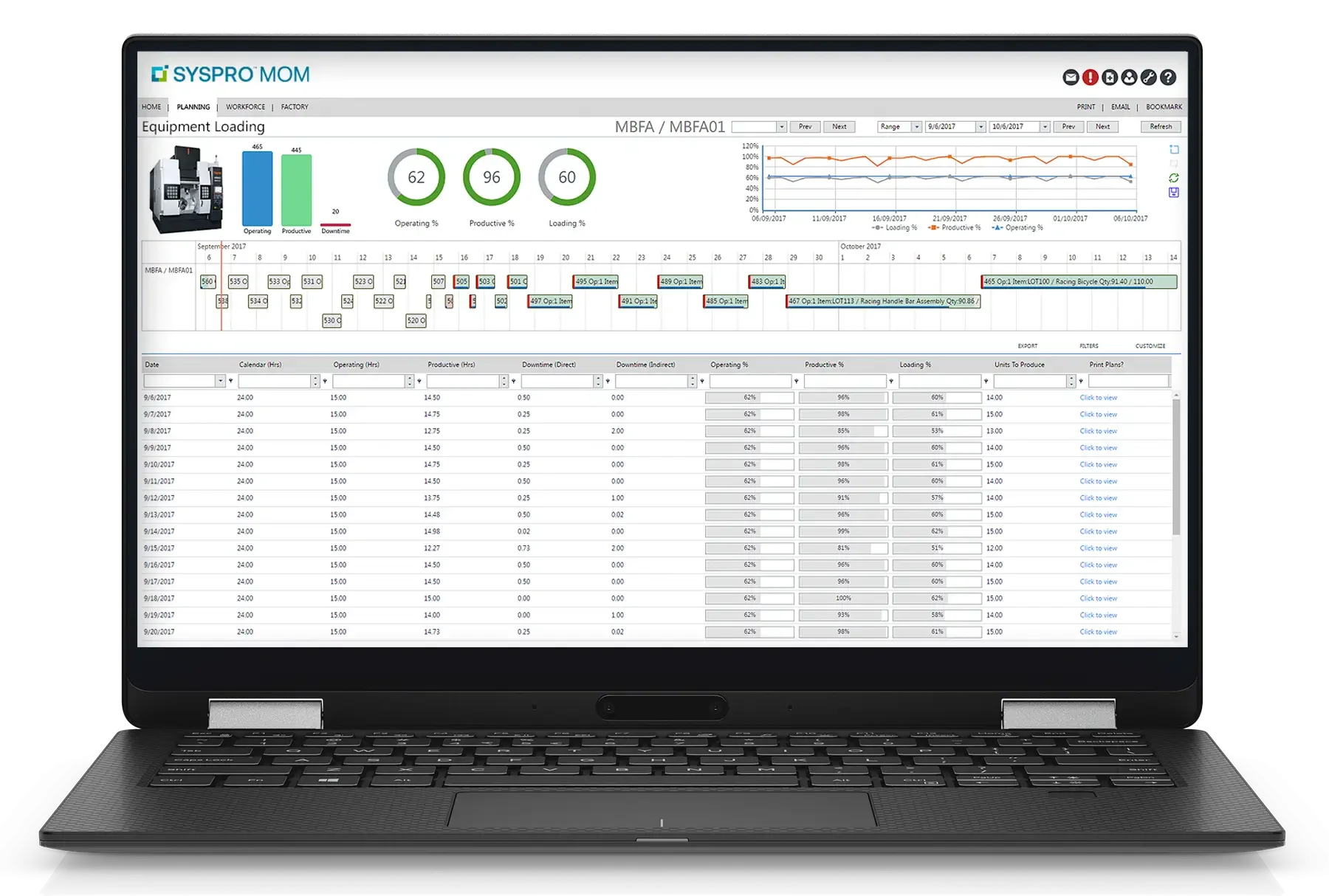
Welcome to our article on streamlining production with fabrication ERP software! Managing the production process efficiently can be a daunting task, but with the right tools in place, it can become a seamless operation. Fabrication ERP software is designed to help manufacturers optimize their production workflows, reduce costs, and improve overall efficiency. By implementing this software, manufacturers can gain better visibility into their operations, track inventory more effectively, and make data-driven decisions. In this article, we will explore the benefits of using fabrication ERP software and how it can transform your production process for the better.
Streamlining Production Processes
When it comes to Fabrication ERP, streamlining production processes is a key component to ensure efficiency and maximize productivity. By using a comprehensive ERP system specifically designed for fabricators, companies can automate and optimize various tasks involved in the production process.
One of the main benefits of using Fabrication ERP to streamline production processes is the integration of all aspects of the manufacturing workflow. This means that information flows seamlessly from one department to another, reducing the likelihood of errors and miscommunication. For example, when a sales order is entered into the system, it can automatically generate a work order for the production team, which then triggers the procurement of materials needed for the job.
Another advantage of streamlining production processes with Fabrication ERP is the ability to track and monitor the progress of jobs in real-time. Managers can easily see which tasks are completed, which are in progress, and which are overdue, allowing them to take immediate action to resolve any issues that may arise. This level of visibility also helps to identify bottlenecks in the production process and allocate resources more effectively to ensure on-time delivery.
Moreover, by using Fabrication ERP to streamline production processes, companies can improve quality control measures. ERP systems can be configured to enforce standard operating procedures and quality checks at various stages of production, ensuring that products meet the required specifications and comply with industry standards. This not only helps to reduce the number of defects and rework but also enhances customer satisfaction and brand reputation.
Additionally, Fabrication ERP allows companies to analyze data and identify areas for improvement in their production processes. By monitoring key performance indicators such as cycle times, lead times, and machine utilization, managers can pinpoint inefficiencies and implement strategies to increase operational efficiency. This data-driven approach to decision-making enables companies to make informed choices that drive continuous improvement and enhance overall performance.
In conclusion, streamlining production processes with Fabrication ERP offers numerous benefits to fabricators looking to improve efficiency, reduce costs, and enhance competitiveness in the marketplace. By integrating all aspects of the manufacturing workflow, tracking job progress in real-time, enforcing quality control measures, and analyzing data for continuous improvement, companies can achieve operational excellence and drive sustainable growth in the long run.
Enhancing Inventory Management
Inventory management is a crucial aspect of any manufacturing business, as it directly impacts the efficiency and profitability of the operations. With the help of Fabrication Erp systems, companies can greatly enhance their inventory management processes by streamlining the tracking, monitoring, and control of inventory levels.
One of the key features of Fabrication Erp systems is their ability to provide real-time visibility into inventory levels. By integrating data from various sources such as sales, production, and procurement, these systems can provide accurate and up-to-date information on the inventory levels of raw materials, work-in-progress, and finished goods. This real-time visibility enables companies to make informed decisions about inventory replenishment, demand forecasting, and production planning, ultimately leading to reduced stockouts, excess inventory, and carrying costs.
Furthermore, Fabrication Erp systems offer advanced tools for inventory tracking and monitoring. Companies can set up automated alerts for low stock levels, reordering points, or expiration dates, ensuring that they never run out of critical materials or products. These systems can also track the movement of inventory within the facility, providing insights into cycle times, lead times, and bottlenecks in the production process. By having a clear understanding of how inventory flows through the supply chain, companies can optimize their operations and reduce the risk of stockouts or overstock situations.
In addition to tracking and monitoring, Fabrication Erp systems enable companies to implement inventory control measures to optimize stock levels and minimize carrying costs. One such measure is the use of reorder point planning, where companies set up a minimum inventory level that triggers a replenishment order. By calculating the reorder point based on factors such as lead time, demand variability, and safety stock levels, companies can ensure that they always have enough inventory on hand to meet customer demand without holding excess stock.
Another inventory control measure facilitated by Fabrication Erp systems is the implementation of ABC analysis. This method categorizes inventory items into three categories based on their value and contribution to the company’s operations. A items are high-value items that require tight control and frequent monitoring, while C items are low-value items that are less critical to the operations. By applying different inventory management strategies to each category, companies can optimize their inventory levels, reduce stockouts and excess inventory, and improve their overall operational efficiency.
In conclusion, Fabrication Erp systems play a crucial role in enhancing inventory management for manufacturing companies. By providing real-time visibility, advanced tracking and monitoring tools, and inventory control measures, these systems enable companies to optimize their inventory levels, reduce carrying costs, and improve their operational efficiency. With the help of Fabrication Erp systems, companies can streamline their inventory management processes and achieve greater success in today’s competitive manufacturing landscape.
Improving Supply Chain Visibility
Supply chain visibility is crucial for fabrication ERP systems as it enables manufacturers to track the movement of materials, products, and information throughout the entire production process. By having a clear view of the supply chain, manufacturers can identify potential bottlenecks, anticipate delays, and make informed decisions to optimize their operations.
One way fabrication ERP systems improve supply chain visibility is through real-time data capture and analysis. With the integration of IoT devices and sensors on the production floor, manufacturers can collect data on inventory levels, machine performance, and production schedules in real-time. This data is then fed into the ERP system, providing a comprehensive view of the supply chain at any given moment.
Another way fabrication ERP systems enhance supply chain visibility is by facilitating collaboration between different departments and external partners. By centralizing information on a single platform, stakeholders can access real-time updates on orders, shipments, and inventory levels, improving communication and coordination across the supply chain. This transparency ensures that all parties are aligned and working towards a common goal of delivering products to customers on time.
Beyond internal collaboration, fabrication ERP systems also enable manufacturers to have visibility into the entire supply chain network. By integrating with suppliers, logistics providers, and distributors, manufacturers can track the movement of raw materials, monitor production progress at subcontractors’ facilities, and anticipate delivery schedules. This end-to-end visibility allows manufacturers to proactively address any potential issues and ensure the smooth flow of materials and products throughout the supply chain.
Furthermore, fabrication ERP systems provide advanced analytics capabilities that enable manufacturers to gain insights into supply chain performance and identify areas for improvement. By analyzing historical data, manufacturers can uncover patterns and trends that can help them optimize inventory levels, streamline production processes, and reduce lead times. These insights empower manufacturers to make data-driven decisions that drive operational efficiency and improve overall supply chain visibility.
In conclusion, improving supply chain visibility is essential for manufacturers to stay competitive in today’s fast-paced and complex business environment. Fabrication ERP systems play a critical role in enhancing visibility by providing real-time data capture, facilitating collaboration, and enabling end-to-end tracking of the supply chain. By leveraging these capabilities, manufacturers can optimize their operations, drive efficiency, and deliver superior products to customers.
Enhancing Quality Control
Quality control is a crucial aspect of any manufacturing process, ensuring that products meet the desired specifications and standards. With the implementation of a Fabrication ERP system, companies can greatly enhance their quality control processes. The ERP system can provide real-time data on production processes, allowing for immediate identification of any deviations from the set quality standards. This enables companies to take corrective actions promptly, minimizing the risk of producing defective products.
Furthermore, Fabrication ERP systems can also streamline the quality control process by automating inspections and tests. By setting up automated alerts and notifications, companies can ensure that all necessary quality checks are carried out at the right time and in the right manner. This helps in reducing human error and ensures consistent quality across all products.
One of the key features of Fabrication ERP systems is the ability to track and trace materials throughout the production process. This traceability feature is essential for quality control, as it allows companies to investigate any quality issues back to their root cause. By identifying the source of the problem, companies can implement corrective measures to prevent similar issues from occurring in the future.
Moreover, Fabrication ERP systems can also help in improving communication and collaboration between different departments involved in quality control. By centralizing all quality-related data in one system, employees can easily access and share information, facilitating better decision-making and problem-solving. This integrated approach to quality control ensures that everyone in the organization is on the same page and working towards the common goal of delivering high-quality products to customers.
In addition to internal quality control mechanisms, Fabrication ERP systems can also facilitate external quality control by providing visibility into suppliers’ quality processes. By integrating supplier data into the ERP system, companies can monitor the quality of raw materials and components coming from external sources. This enables companies to enforce quality standards across the entire supply chain and maintain consistency in product quality.
Overall, Fabrication ERP systems play a crucial role in enhancing quality control processes in manufacturing industries. By providing real-time data, automating inspections, enabling traceability, improving communication, and facilitating external quality control, ERP systems help companies ensure that their products meet the highest standards of quality and reliability.
Maximizing Resource Utilization
Fabrication ERP systems are crucial in helping organizations maximize resource utilization within their operations. By centralizing all data and processes into one system, Fabrication ERP allows for better visibility and control over resources such as manpower, equipment, raw materials, and inventory. This integrated approach enables businesses to make informed decisions on resource allocation, ensuring that all resources are used efficiently and effectively.
One key feature of Fabrication ERP that helps in maximizing resource utilization is its real-time tracking and monitoring capabilities. With the ability to track resources in real time, businesses can identify any bottlenecks or inefficiencies in their processes and take immediate action to rectify them. This proactive approach not only helps in optimizing resource utilization but also leads to improved productivity and profitability.
Another way Fabrication ERP maximizes resource utilization is through its planning and scheduling tools. By using data analytics and forecasting capabilities, businesses can effectively plan and schedule their resources to meet production demands and deadlines. This ensures that resources are utilized to their fullest potential, preventing any wastage or underutilization.
In addition, Fabrication ERP systems offer advanced reporting and analysis functionalities that provide insights into resource utilization trends and performance metrics. By analyzing this data, businesses can identify opportunities for improvement and implement strategies to further optimize resource utilization. This continuous monitoring and evaluation of resource utilization help businesses stay competitive and adapt to changing market conditions.
Moreover, Fabrication ERP systems also support collaboration and communication among different departments and teams within an organization. By breaking down silos and promoting cross-functional collaboration, businesses can ensure that all resources are utilized to their maximum capacity. This holistic approach to resource utilization not only improves efficiency but also fosters a culture of innovation and continuous improvement.
Overall, Fabrication ERP systems play a vital role in maximizing resource utilization within organizations. By providing a centralized platform for data management, real-time tracking, planning and scheduling tools, reporting and analysis functionalities, and promoting collaboration, Fabrication ERP helps businesses optimize their resource allocation and utilization. This results in improved productivity, profitability, and competitiveness in today’s fast-paced and dynamic business environment.