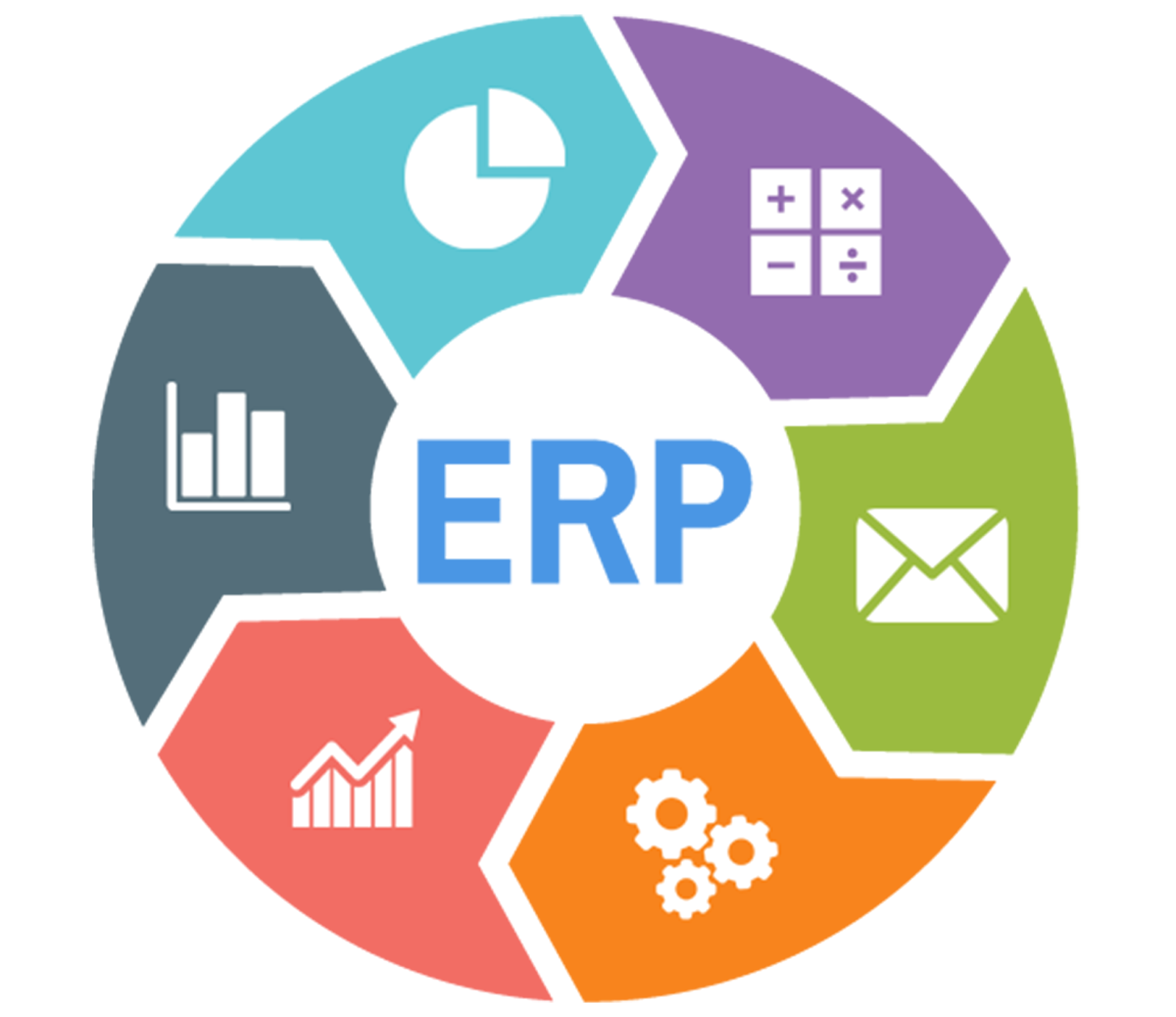
Welcome to a world where technology is transforming the way things are made. In the fabrication industry, Enterprise Resource Planning (ERP) systems are playing a crucial role in streamlining operations, improving efficiency, and driving innovation. With the help of ERP software, fabrication companies can now automate processes, manage resources effectively, and make data-driven decisions. Let’s explore the significant impact of ERP in revolutionizing the way fabrication is done.
Benefits of Implementing ERP in the Fabrication Industry
ERP (Enterprise Resource Planning) systems have become essential tools for businesses in the fabrication industry. By integrating various functions such as inventory management, production planning, sales, and finance into a single platform, ERP software streamlines operations and enhances overall efficiency. The benefits of implementing an ERP system in the fabrication industry are numerous and can have a significant impact on the company’s success.
One of the primary benefits of using ERP in the fabrication industry is improved operational efficiency. With all key processes integrated into a centralized system, employees can easily access real-time data, communicate effectively, and collaborate on projects. This eliminates the need for manual data entry and reduces the likelihood of errors, resulting in smoother operations and increased productivity. Additionally, automation of repetitive tasks frees up employees to focus on more strategic activities, ultimately leading to better decision-making and improved overall performance.
Another benefit of ERP implementation in the fabrication industry is enhanced inventory management. By providing a comprehensive view of inventory levels, ERP systems enable companies to optimize their stock levels, reduce excess inventory, and minimize the risk of stockouts. This ensures that the right materials are available at the right time, leading to cost savings and improved customer satisfaction. With the ability to track materials in real-time, companies can also identify trends and make informed decisions about purchasing and production planning.
Furthermore, ERP software in the fabrication industry helps streamline the production process. By automating scheduling, capacity planning, and routing, companies can optimize their production workflows and reduce lead times. This results in quicker turnaround times, lower production costs, and improved on-time delivery rates. Additionally, the ability to monitor production activities in real-time allows companies to identify bottlenecks and address issues promptly, ensuring smooth operations and consistent quality standards. ERP systems also facilitate collaboration between different departments, enabling seamless communication and coordination throughout the production process.
Improved financial management is another significant benefit of implementing ERP in the fabrication industry. By providing accurate and up-to-date financial data, ERP systems help companies make informed decisions about budgeting, forecasting, and cost control. Integration of financial processes also enables companies to track expenses, monitor profitability, and identify areas for cost savings. Additionally, ERP systems can generate comprehensive reports and analytics, providing management with valuable insights into the company’s financial performance and facilitating strategic planning.
In conclusion, the benefits of implementing ERP in the fabrication industry are clear. From improved operational efficiency and inventory management to streamlined production processes and enhanced financial management, ERP systems offer a wide range of advantages that can help companies succeed in today’s competitive market. By investing in an ERP solution, fabrication companies can optimize their operations, drive growth, and stay ahead of the competition.
Key Features to Look for in a Fabrication Industry ERP System
When considering an ERP system for your fabrication industry, there are several key features you should look for to ensure that the software meets the specific needs of your business. Here are some important features to consider:
1. Customization Options:
One of the most important features to look for in a fabrication industry ERP system is the ability to customize the software to meet the unique requirements of your business. Fabrication companies often have specific workflows, processes, and reporting requirements that are different from other industries, so it is essential that the ERP system can be tailored to meet these needs. Look for a system that offers flexibility in terms of customization, allowing you to configure the software to match your business processes without having to make significant changes to your operations.
2. Integration with CAD/CAM Software:
Another crucial feature to consider when choosing an ERP system for your fabrication industry is integration with Computer-Aided Design (CAD) and Computer-Aided Manufacturing (CAM) software. This integration allows for seamless data exchange between the ERP system and your design and manufacturing tools, streamlining processes and reducing the risk of errors. With CAD/CAM integration, you can easily transfer design data, material requirements, and production schedules between systems, ensuring that your fabrication processes are efficient and accurate.
3. Production Scheduling and Job Tracking:
Effective production scheduling and job tracking are essential for managing workflows and resources in a fabrication industry. Look for an ERP system that offers robust production scheduling capabilities, allowing you to create and manage work orders, assign tasks to employees, and track the progress of jobs in real-time. The system should also provide tools for tracking job costs, materials usage, and labor hours, giving you full visibility into your production processes and helping you make informed decisions to improve efficiency and profitability.
4. Inventory Management:
Inventory management is critical for fabrication companies, as they often deal with a wide range of raw materials, components, and finished products. A good ERP system should offer comprehensive inventory management features, including real-time tracking of inventory levels, automated reorder triggers, and support for multiple warehouses and locations. With effective inventory management capabilities, you can reduce stockouts, minimize excess inventory, and optimize your purchasing and production processes to meet customer demand and improve your bottom line.
5. Quality Control and Compliance:
Quality control and compliance are paramount in the fabrication industry, where precision and accuracy are essential to ensure that products meet the required standards and specifications. Look for an ERP system that includes robust quality control features, such as inspection checklists, non-conformance tracking, and documentation management. The system should also support compliance with industry regulations and certifications, helping you maintain quality standards, reduce rework and waste, and build trust with customers and regulatory agencies.
In conclusion, when selecting an ERP system for your fabrication industry, be sure to consider these key features to ensure that the software meets your business needs and helps you streamline operations, improve efficiency, and drive growth. By choosing the right ERP system with the right features, you can position your fabrication company for success in a competitive market.
Improving Efficiency and Productivity with Fabrication Industry ERP
Fabrication Industry ERP systems are designed to streamline processes, increase efficiency, and boost productivity in manufacturing businesses. These systems are specifically tailored to meet the unique needs of fabrication companies, helping them manage their operations more effectively and make better decisions. By implementing an ERP system, fabrication businesses can improve their workflow, reduce costs, and increase their competitive edge in the industry.
One of the key benefits of using an ERP system in the fabrication industry is improved inventory management. With integrated inventory tracking and management features, fabrication businesses can keep track of raw materials, work-in-progress items, and finished products more efficiently. This leads to better inventory control, reduced wastage, and optimized production schedules. By having real-time visibility into inventory levels, businesses can also avoid stockouts and overstocking, ultimately improving their overall efficiency.
Another way in which Fabrication Industry ERP can enhance efficiency and productivity is through streamlined production planning. These systems allow businesses to create detailed production schedules, allocate resources effectively, and monitor progress in real-time. By having all this information in one centralized system, fabrication companies can identify bottlenecks, optimize production processes, and ensure that orders are completed on time. This leads to faster turnaround times, better on-time delivery rates, and ultimately higher customer satisfaction.
Additionally, Fabrication Industry ERP systems help businesses automate repetitive tasks and standardize processes. By eliminating manual data entry, paperwork, and manual calculations, employees can focus on more value-added activities. This not only saves time but also reduces the risk of human error, leading to more accurate and consistent results. By standardizing processes, businesses can ensure that everyone is following the same procedures, leading to greater efficiency and quality control across the board.
Furthermore, Fabrication Industry ERP systems provide businesses with valuable insights and analytics that can help them make data-driven decisions. With comprehensive reporting tools and dashboards, fabrication companies can analyze key performance indicators, identify trends, and spot opportunities for improvement. This allows businesses to be more proactive in addressing issues, optimizing processes, and seizing new business opportunities. By having access to this critical information, businesses can stay ahead of the competition and drive continuous improvement in their operations.
In conclusion, Fabrication Industry ERP systems play a crucial role in improving efficiency and productivity in manufacturing businesses. By enhancing inventory management, streamlining production planning, automating tasks, standardizing processes, and providing valuable insights, these systems enable businesses to operate more effectively and competitively. With the right ERP solution in place, fabrication companies can unlock their full potential, reduce costs, and achieve sustainable growth in the ever-evolving manufacturing industry.
Case Studies: Successful Implementation of ERP in the Fabrication Industry
Implementing an ERP system in the Fabrication Industry can be a game-changer for companies looking to streamline their operations, increase efficiency, and improve customer satisfaction. Here are some case studies of successful ERP implementations in the Fabrication Industry:
Case Study 1: XYZ Manufacturing
XYZ Manufacturing is a leading provider of fabricated metal products in the industry. They were facing challenges with manual processes, data silos, and inventory management issues before implementing an ERP system. After careful evaluation, they decided to invest in an ERP solution tailored to the Fabrication Industry.
The ERP system helped XYZ Manufacturing automate their production processes, manage inventory more effectively, and streamline their supply chain operations. As a result, they were able to reduce lead times, improve production efficiency, and deliver high-quality products to their customers on time.
Case Study 2: ABC Steelworks
ABC Steelworks specializes in providing structural steel fabrication services to construction companies. They were struggling with outdated systems, lack of real-time visibility, and manual data entry errors. After conducting a thorough analysis, they chose to implement an ERP solution designed for the fabrication industry.
The ERP system enabled ABC Steelworks to centralize their data, automate workflows, and improve collaboration among departments. With real-time insights into production schedules, inventory levels, and project statuses, they were able to make informed decisions quickly and respond to customer demands more effectively.
Case Study 3: DEF Fabrication
DEF Fabrication is a family-owned business that specializes in custom metal fabrication services. They were struggling with inefficient processes, lack of integration between departments, and difficulty in tracking project costs. To address these challenges, they decided to implement an ERP system customized for their unique needs.
With the ERP system in place, DEF Fabrication was able to streamline their project management processes, improve cost tracking accuracy, and enhance communication between sales, production, and accounting teams. This resulted in increased productivity, reduced errors, and higher customer satisfaction levels.
Case Study 4: GHI Fabricators
GHI Fabricators is a medium-sized fabrication company that specializes in providing precision machining services to clients in various industries. They were facing challenges with manual data entry, lack of integration between systems, and difficulty in meeting customer demands. To overcome these obstacles, they made the decision to invest in an ERP solution specifically tailored to the fabrication industry.
The ERP system transformed GHI Fabricators’ operations by automating repetitive tasks, improving data accuracy, and enhancing collaboration among departments. With real-time visibility into their production processes, inventory levels, and customer orders, they were able to optimize their resource allocation, minimize waste, and deliver projects ahead of schedule.
These case studies highlight the significant benefits of implementing an ERP system in the Fabrication Industry. By choosing the right solution and customizing it to their specific needs, companies can achieve operational excellence, improve productivity, and drive growth in a competitive market.
Future Trends in Fabrication Industry ERP Solutions
As the fabrication industry continues to evolve and embrace new technologies, the future trends in ERP solutions are constantly changing and adapting to meet the needs of the industry. One of the most significant trends in fabrication industry ERP solutions is the integration of advanced analytics and artificial intelligence. These technologies are revolutionizing the way businesses operate by providing real-time data analysis and predictive insights to help companies make informed decisions.
Another trend in fabrication industry ERP solutions is the rise of cloud-based software. Cloud ERP solutions offer scalability and flexibility, allowing businesses to access their data from anywhere at any time. This trend is expected to continue as more companies adopt cloud technology to streamline their operations and improve efficiency.
Additionally, the future of fabrication industry ERP solutions will also involve the use of mobile applications. Mobile ERP solutions enable employees to access critical business information on the go, increasing productivity and communication within the organization. With the increasing reliance on mobile devices, this trend is set to grow in popularity in the coming years.
Another key trend in fabrication industry ERP solutions is the focus on cybersecurity. With the rise of cyber threats and data breaches, businesses are placing a greater emphasis on protecting their sensitive information. ERP solutions are incorporating advanced security features to safeguard data and prevent unauthorized access, ensuring the security and integrity of the system.
Lastly, the future of fabrication industry ERP solutions will involve greater customization and personalization options. Businesses are looking for ERP solutions that can be tailored to meet their specific needs and requirements. As a result, ERP vendors are offering more customization options and modules to address the unique challenges of each business within the fabrication industry.